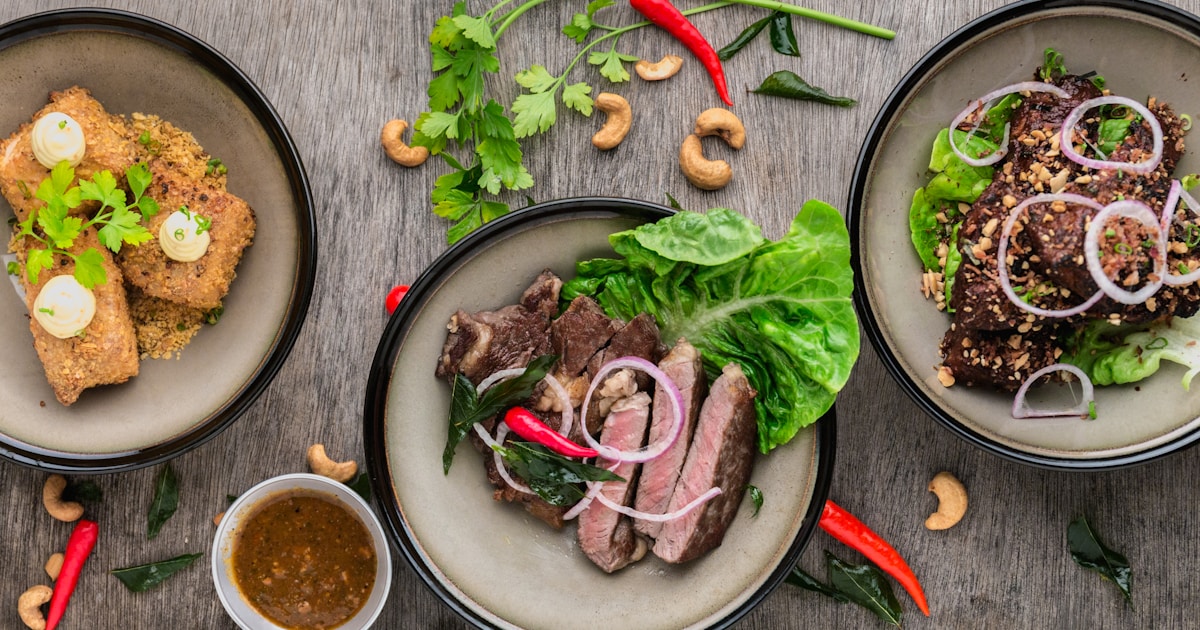

Introduction: Why Pav Bhaji – Buttery Spiced Vegetable Mash is Loved
Pav Bhaji – Buttery Spiced Vegetable Mash is more than just a dish from the Snacks category — it is an emotion that brings families together around the dining table. In every Indian home and now across global kitchens, this recipe has earned a special place because of its perfect balance of spices, textures and aromas. Whether you are a beginner who has just started cooking or a seasoned home chef looking to perfect your skills, Pav Bhaji – Buttery Spiced Vegetable Mash offers a rewarding experience. The beauty of this dish lies in its versatility: it can be a quick weekday meal, a festive centrepiece, or a comforting late night snack. In this detailed guide we will not only share the authentic recipe but also explore its history, nutritional benefits, regional variations and pro tips that make it foolproof every time. By the end of this article you will have a thorough understanding of how to create restaurant style Pav Bhaji – Buttery Spiced Vegetable Mash at home without any complicated techniques.
History and Cultural Significance
The origin of Pav Bhaji – Buttery Spiced Vegetable Mash can be traced back to the rich culinary traditions of Snacks cuisine, where food was never just about filling the stomach but about celebrating life. Historical records and grandmother stories suggest that this dish was initially prepared during special occasions and royal feasts. Over generations, the recipe traveled from royal kitchens to street vendors and finally to our modern home kitchens, adapting to local ingredients and tastes along the way. In Snacks culture, Pav Bhaji – Buttery Spiced Vegetable Mash is often associated with warmth, hospitality and togetherness. It is the dish that is prepared when guests arrive unannounced, when festivals are celebrated, and when someone needs comfort. Today, food bloggers, chefs and home cooks continue to reinvent Pav Bhaji – Buttery Spiced Vegetable Mash while keeping its soul intact, making it a timeless classic that bridges tradition and innovation.
Ingredients: What You Will Need
For authentic Pav Bhaji – Buttery Spiced Vegetable Mash, quality of ingredients makes all the difference. You will need fresh vegetables or proteins as the base, aromatic spices such as cumin, coriander, turmeric, garam masala and red chili, along with ginger garlic paste for depth. Dairy elements like curd, cream or cottage cheese add richness, while herbs like coriander and mint bring freshness. Do not forget the essential tempering ingredients — mustard seeds, curry leaves and asafoetida — that elevate the flavour profile. For the perfect texture, use cold pressed oil or ghee, and always choose fresh lemons for that final tang. We recommend buying whole spices and grinding them fresh for the most aromatic result. If you are health conscious, you can easily substitute oil with olive oil and cream with hung curd without compromising taste. Each ingredient in Pav Bhaji – Buttery Spiced Vegetable Mash plays a crucial role, and balancing them is the key to achieving that perfect harmony.
Step by Step Cooking Method
Start by prepping all ingredients — wash, chop and measure everything before you begin, as this makes cooking smooth and enjoyable. Heat oil or ghee in a heavy bottom pan and add whole spices to let them splutter and release their aroma. Add finely chopped onions and sauté until they turn golden brown, which forms the sweet base of Pav Bhaji – Buttery Spiced Vegetable Mash. Next, add ginger garlic paste and cook until the raw smell disappears, then add tomato puree and cook until oil separates. Now add dry spices and roast them for a minute to intensify flavour. Add the main ingredient — whether it is paneer, chicken, vegetables or lentils — and coat it well with the masala. Add water or stock to adjust consistency, cover and let it simmer on low heat so flavours meld together. Stir occasionally to prevent sticking and check seasoning. Once the gravy thickens and the main ingredient is tender, finish with fresh cream, a knob of butter and finely chopped coriander. Let it rest for five minutes before serving so that the flavours settle beautifully.
Pro Tips for Perfect Results
Even a simple recipe like Pav Bhaji – Buttery Spiced Vegetable Mash can go from good to great with a few expert tips. First, always use fresh ingredients and avoid pre ground spices that have lost their potency. Second, control the heat — cooking on medium low allows spices to bloom without burning. Third, do not rush the onion tomato base; bhunao until the masala is deeply coloured and aromatic, as this is the heart of Snacks cooking. If you want a richer taste, add a spoon of cashew paste or melon seed paste. For a smoky dhaba flavour, use the dhungar technique — place a hot charcoal in a small bowl inside the dish, drizzle ghee and cover for two minutes. Taste and adjust salt, tang and heat at the end, as flavours concentrate during cooking. Finally, serve Pav Bhaji – Buttery Spiced Vegetable Mash hot to enjoy its full aroma; it tastes even better the next day as spices mature overnight.
Regional Variations to Try
One of the most exciting aspects of Pav Bhaji – Buttery Spiced Vegetable Mash is how it changes from region to region. In North India, you will find a richer, creamier version with butter and cream, while in South India the same concept may include coconut and curry leaves for a lighter profile. The Western coastal twist might add kokum or tamarind for tang, while Eastern versions could incorporate mustard paste and poppy seeds. Modern chefs are experimenting with fusion — for example, Pav Bhaji – Buttery Spiced Vegetable Mash pizza, Pav Bhaji – Buttery Spiced Vegetable Mash sliders, or Pav Bhaji – Buttery Spiced Vegetable Mash pasta — which are becoming popular among younger food lovers. Vegan adaptations replace dairy with almond milk and tofu, while Jain versions skip onion garlic yet retain deliciousness. No matter the variation, the core idea of Pav Bhaji – Buttery Spiced Vegetable Mash remains the same: wholesome, flavourful and satisfying. Try these variations to discover which style your family loves most and make it your signature dish.
Serving Suggestions and Pairings
Pav Bhaji – Buttery Spiced Vegetable Mash is best enjoyed when paired thoughtfully. For Indian style, serve it with hot tawa roti, butter naan, steamed basmati rice or jeera pulao. Add a side of sliced onions, lemon wedges and green chutney to cut through richness. For a complete meal, pair it with a cooling cucumber raita or masala chaas and finish with a light dessert like kulfi or fruit salad. If you are serving Pav Bhaji – Buttery Spiced Vegetable Mash at a party, keep it warm in a chafing dish and garnish with fresh coriander and a swirl of cream just before serving for that restaurant style presentation. Leftovers, if any, make excellent fillings for wraps, sandwiches and even parathas the next morning. Kids love Pav Bhaji – Buttery Spiced Vegetable Mash with cheese toast, while adults may enjoy it with a glass of lassi or chilled beverage. The versatility in pairing is what makes Pav Bhaji – Buttery Spiced Vegetable Mash a crowd pleaser for every age group.
Storage, Meal Prep and Reheating
In today fast paced life, knowing how to store Pav Bhaji – Buttery Spiced Vegetable Mash properly saves time and reduces waste. Cooked Pav Bhaji – Buttery Spiced Vegetable Mash stays fresh in the refrigerator for up to three days when stored in an airtight glass container. For longer storage, freeze portions in freezer safe boxes for up to one month; the taste remains intact if you avoid adding cream before freezing — add it fresh while reheating. Reheat gently on the stovetop with a splash of water to restore consistency, or microwave covered with a damp paper towel. If you meal prep, chop vegetables and make the base masala on Sunday, refrigerate, and assemble fresh on weekdays to cut cooking time by half. Always cool the dish completely before refrigerating to prevent condensation and spoilage. These storage hacks ensure you can enjoy homemade Pav Bhaji – Buttery Spiced Vegetable Mash anytime without compromising flavour or nutrition.
Nutritional Information and Health Benefits
Beyond taste, Pav Bhaji – Buttery Spiced Vegetable Mash offers impressive nutritional value. Depending on the main ingredient, it provides protein for muscle repair, fiber for digestion, and essential vitamins and minerals. Spices like turmeric contain curcumin with anti inflammatory properties, while cumin aids digestion and iron absorption. If you use ghee in moderation, it provides healthy fats and helps absorb fat soluble vitamins. For a lighter version, use less oil, opt for low fat dairy, and load up on vegetables to increase fiber and reduce calories. A typical serving of Pav Bhaji – Buttery Spiced Vegetable Mash can range from 250 to 450 calories, making it suitable for both indulgent and balanced diets. Pairing it with whole grains like brown rice or millet further boosts its health quotient. Remember, homemade Pav Bhaji – Buttery Spiced Vegetable Mash is always healthier than packaged alternatives because you control salt, sugar and preservatives.
Conclusion: Make It Your Own
We have covered every aspect of Pav Bhaji – Buttery Spiced Vegetable Mash — from its cultural roots and detailed ingredients to step by step cooking, variations, serving and health insights. Now it is your turn to bring this Snacks delight to life in your kitchen. Do not worry if your first attempt is not perfect; cooking is a journey of tasting, adjusting and learning. Invite family or friends to cook together, share feedback and create memories around Pav Bhaji – Buttery Spiced Vegetable Mash. Click photos, note what you liked, and experiment with spice levels to suit your palate. If you enjoyed this detailed 1000 word guide, share it with fellow food lovers and subscribe for more such in depth recipes. Food is love, and Pav Bhaji – Buttery Spiced Vegetable Mash is a beautiful way to express it. Happy cooking and enjoy every bite!
Frequently Asked Questions
Q: Can I make Pav Bhaji – Buttery Spiced Vegetable Mash without onion garlic? Yes, simply skip them and add extra tomatoes and a pinch of asafoetida for flavour. Q: Is Pav Bhaji – Buttery Spiced Vegetable Mash suitable for kids? Absolutely, reduce chili and it becomes a kid friendly favorite. Q: How to make it vegan? Use tofu, coconut milk and oil instead of paneer, cream and ghee. Q: Can I double the recipe for parties? Yes, just keep spice proportions balanced and cook in batches for even flavour. Keep these answers in mind and your Pav Bhaji – Buttery Spiced Vegetable Mash will always turn out delicious.

Previous
Cheese Corn Balls - Golden Fried Party Starter
Next
Masala Poha - Light Fluffy Flattened Rice with Peanuts